
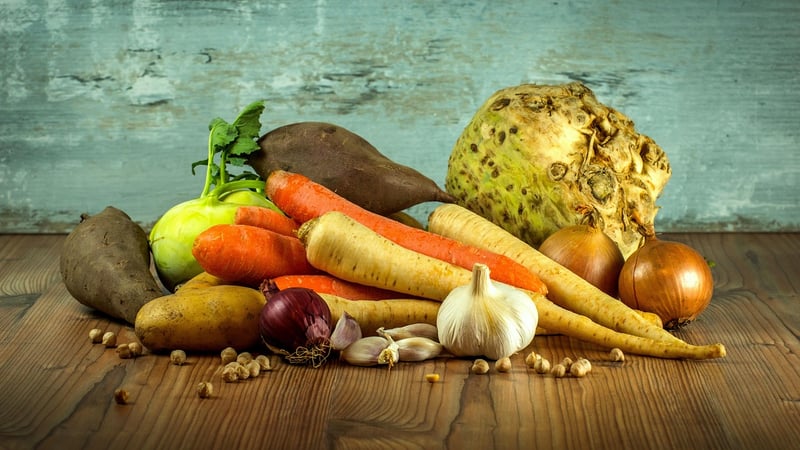
The Art of Diversifying Recipe Components and Gluten-free Alternatives
Are you looking to spice up your cooking routine or accommodate dietary restrictions like gluten intolerance? This article is your guide to diversifying recipe components and exploring gluten-free alternatives to create delicious and inclusive meals for everyone to enjoy.
Diversifying Recipe Components
One of the best ways to breathe new life into your cooking is by experimenting with different recipe components. Here are some tips to help you diversify your culinary creations:
1. Swap Protein Sources
Instead of sticking to traditional protein sources like chicken or beef, why not try tofu, tempeh, seitan, or legumes for a change? These plant-based options are not only nutritious but also add a unique flavor and texture to your dishes.
2. Explore Global Flavors
Travel the world through your taste buds by incorporating spices, herbs, and condiments from various cuisines. Whether it's using za'atar from the Middle East, garam masala from India, or gochujang from Korea, experimenting with global flavors can take your dishes to a whole new level.
3. Play with Texture
Don't be afraid to mix crunchy with creamy or soft with crispy. Adding elements like toasted nuts, crispy fried onions, or chewy dried fruit can elevate the texture of your dishes and make them more interesting to eat.
Gluten-free Alternatives
For individuals with gluten intolerance or celiac disease, cooking and baking can be a challenge. However, with the wide range of gluten-free alternatives available today, you can still enjoy your favorite foods without compromising on taste or texture. Here are some popular gluten-free substitutes:
1. Gluten-free Flour
Replace wheat flour with gluten-free alternatives like almond flour, coconut flour, rice flour, or a gluten-free all-purpose flour blend. These flours work well in most recipes and can be easily swapped in a 1:1 ratio in many cases.
2. Tamari or Coconut Aminos
Instead of soy sauce, which contains gluten, opt for tamari (gluten-free soy sauce) or coconut aminos for a similar umami flavor in your dishes. These alternatives are great for stir-fries, marinades, and dipping sauces.
3. Cornstarch or Arrowroot Powder
Thicken sauces, gravies, and soups with cornstarch or arrowroot powder instead of traditional wheat-based thickeners. These gluten-free options work just as effectively and won't alter the taste of your dishes.
By diversifying your recipe components and exploring gluten-free alternatives, you can open up a world of culinary possibilities while catering to different dietary needs. Get creative in the kitchen and enjoy the process of experimenting with new flavors and ingredients!
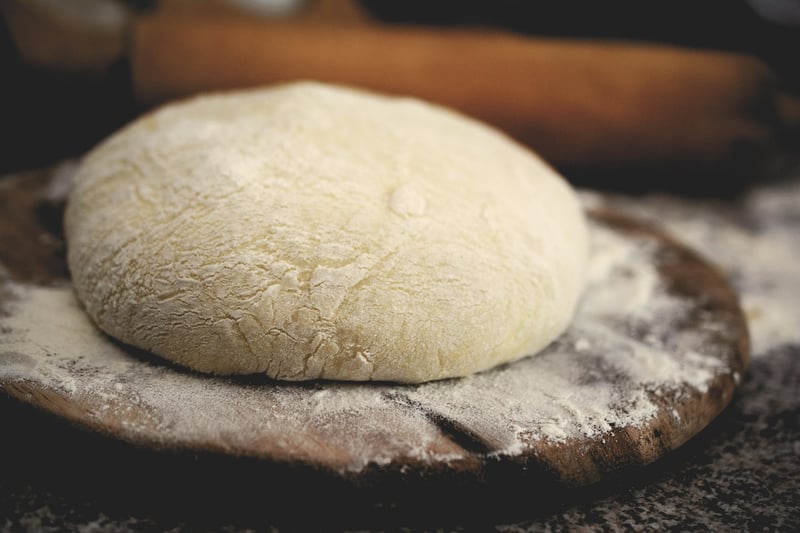
For more inspiration and ideas, check out our Pinterest board dedicated to diverse recipes and gluten-free cooking.